
Hajj 2026: A Spiritual Journey to Makkah
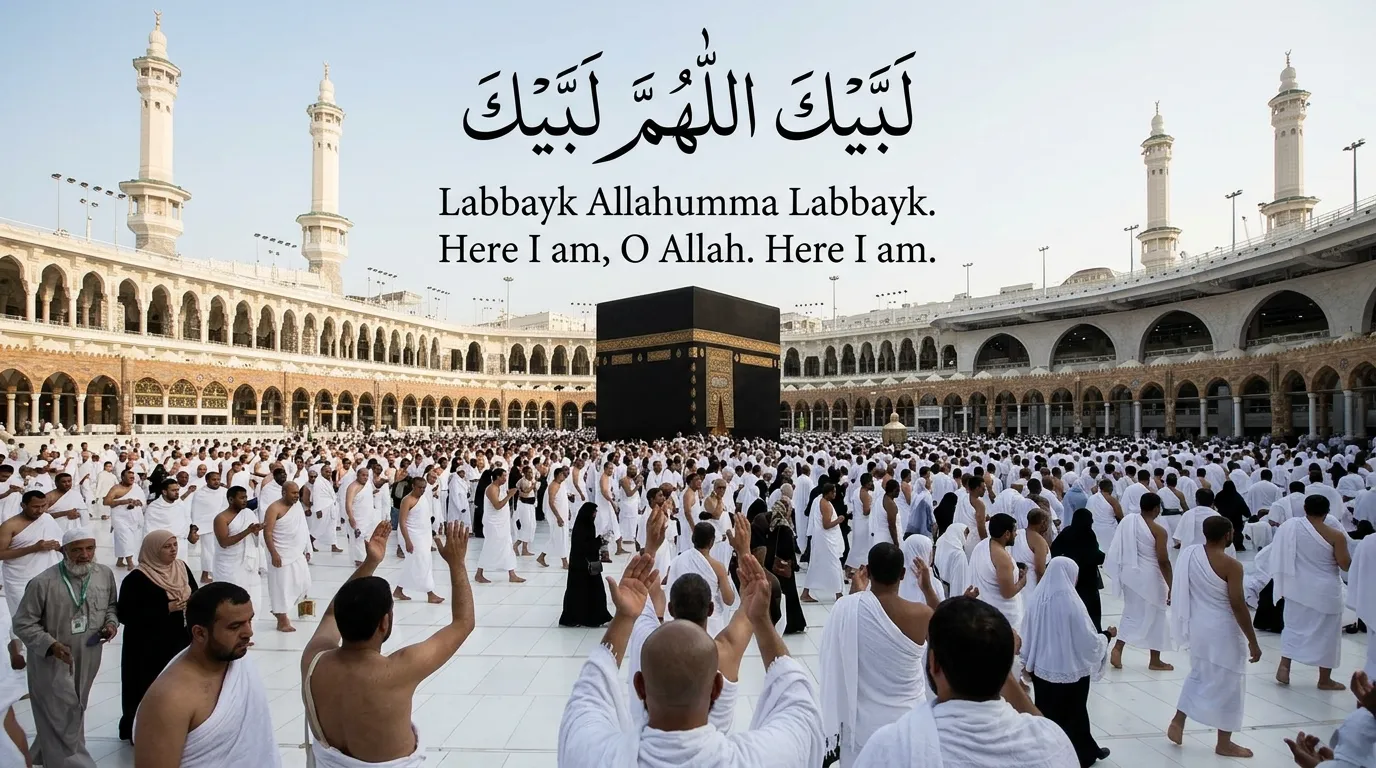
“Labbayk Allahumma Labbayk – Here I am, O Allah, here I am.”
The Call That Changes Everything
There is a moment in a believer’s life when everything else becomes still. The passport is ready. The white ihram is folded neatly in the bag. The heart is full of fear and longing at the same time. That moment the moment before Hajj is unlike any other moment a human being can know.
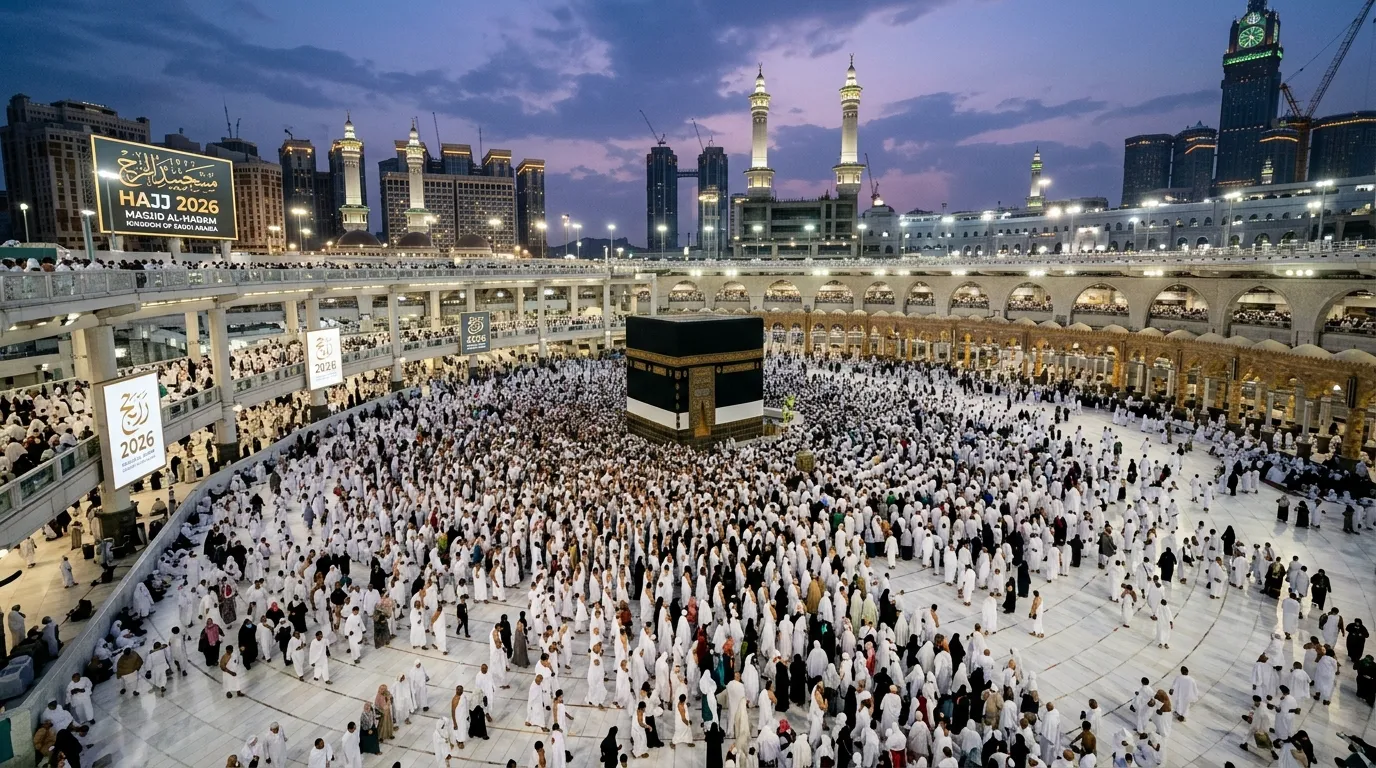
Hajj 2026 will welcome millions of pilgrims from every corner of the earth. From the rice fields of Indonesia to the cold streets of London, from the mountains of Morocco to the plains of Pakistan, men and women of every tongue and color will answer the same ancient call. They will dress the same. They will say the same words. They will stand on the same ground.
The Prophet Muhammad ﷺ said: “Whoever performs Hajj and does not commit any obscenity or transgression shall return as free of sin as the day his mother bore him.” (Sahih Bukhari)
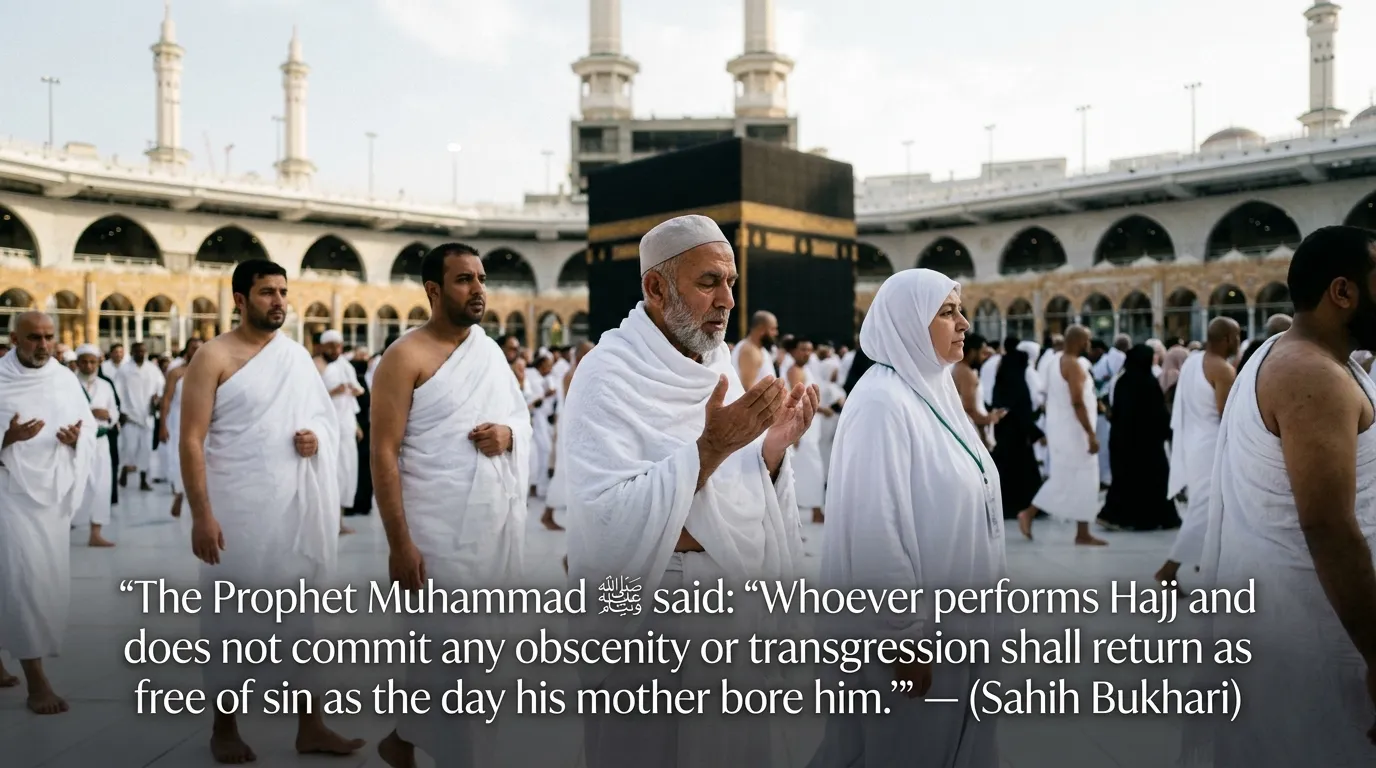
That promise is why millions weep before they even board the plane.
What Is Hajj: And Why Does It Matter?
Planning for Hajj 2026 is a beautiful step toward strengthening your faith and preparing for a life-changing spiritual journey. From understanding the rituals of Tawaf and Sa’i to learning about visa requirements, travel tips, and Hajj packages, pilgrims should begin their preparation early. If you want to explore more Islamic inspiration, motivational quotes, and spiritual content, visit the homepage of Life Vibe Quotes for daily uplifting articles and meaningful reads.
Hajj is the fifth pillar of Islam. It is obligatory once in a lifetime for every Muslim who is physically and financially able. But to call it merely an obligation is to miss its soul entirely.
Hajj is a rehearsal for the Day of Judgment. It is a simulation of what it means to stand before Allah stripped of wealth, status, nationality, and pride in nothing but two simple white sheets.
Malcolm X, after performing Hajj in 1964, wrote in a letter that would change the direction of his life:
“There were tens of thousands of pilgrims, from all over the world. They were of all colors, from blue-eyed blondes to black-skinned Africans. But we were all participating in the same ritual, displaying a spirit of unity and brotherhood that my experiences in America had led me to believe never could exist between the white and the non-white.” — Malcolm X, Letter from Mecca, 1964
Those words were written over sixty years ago. In 2026, they remain as true as the sand beneath the feet of every pilgrim walking toward the Kaaba.
The Sacred City of Makkah A Place Like No Other
Makkah is not just a city. It is the heartbeat of the Islamic world. It is the place where Ibrahim (AS) raised the walls of the Kaaba with his son Ismail (AS). It is the place where the Prophet Muhammad ﷺ was born. It is the place toward which every Muslim on earth turns five times a day in prayer.
When a pilgrim first sees the Kaaba that ancient black cube draped in golden-embroidered cloth — something happens inside the chest that cannot be put into language. Scholars, poets, and ordinary people have tried for centuries, and all of them have fallen short.
Rumi wrote: “Come, come, whoever you are. Wanderer, worshipper, lover of leaving it doesn’t matter. Ours is not a caravan of despair. Come, even if you have broken your vows a thousand times. Come, yet again, come, come.”
That is the spirit of Makkah. It does not turn you away. It pulls you in.
The White Garment Ihram and the Death of the Ego
Before entering Makkah, every male pilgrim enters a state called ihram. He removes his regular clothes and wraps himself in two plain white sheets. No stitching. No brand. No distinction. A king stands next to a farmer, and there is no way to tell them apart.
For women, ihram is a state of intention worn with modest, simple clothing.
This stripping away of identity is deliberate and profound. Islam teaches that in front of Allah, no man is better than another except in the depth of his faith. The ihram is not just clothing — it is a statement.
The Prophet ﷺ said in his Farewell Sermon: “All mankind is from Adam and Eve. An Arab has no superiority over a non-Arab, nor does a non-Arab have superiority over an Arab. A white person has no superiority over a black person, nor does a black person have any superiority over a white person except by piety and good action.”
When two million people stand on the plains of Arafat wearing the same white cloth, that sermon is no longer history. It is happening in real time.
Tawaf: Circling the Heart of the World
The first great act of Hajj is Tawaf circling the Kaaba seven times in a counterclockwise direction. It is one of the most breathtaking sights on the surface of this earth.
From above, the image looks like a galaxy spinning. Millions of people, shoulder to shoulder, moving in one direction, saying one thing: Labbayk Allahumma Labbayk.
Scholars say that even the angels perform Tawaf around the Bayt al-Ma’mur the heavenly house above the Kaaba. When a pilgrim makes Tawaf, he joins a rotation that has been turning since before human memory.
Ibn Battuta, the great Muslim traveler who visited Makkah in the 14th century, wrote: “I arrived at Makkah the noble, may Allah exalt her dignity, and the first thing I did was perform Tawaf around the honored Kaaba. My heart was overwhelmed, and my eyes overflowed with tears.”
Every pilgrim in 2026 will know exactly what Ibn Battuta felt.
Sa’i: Running Between Two Hills
After Tawaf, pilgrims perform Sa’i walking and running seven times between the hills of Safa and Marwa. This act commemorates the desperate search of Hajar (AS), the wife of Ibrahim (AS), for water for her infant son Ismail (AS).
She ran. She climbed. She looked. She did not give up. And from beneath the feet of her child, the spring of Zamzam burst forth a spring that has not dried in thousands of years.
Sa’i is not just a ritual. It is a lesson about a mother’s courage, a believer’s perseverance, and Allah’s mercy. It tells every pilgrim: keep moving, even when you cannot see the answer.
“With every hardship comes ease.” (Quran 94:5-6)
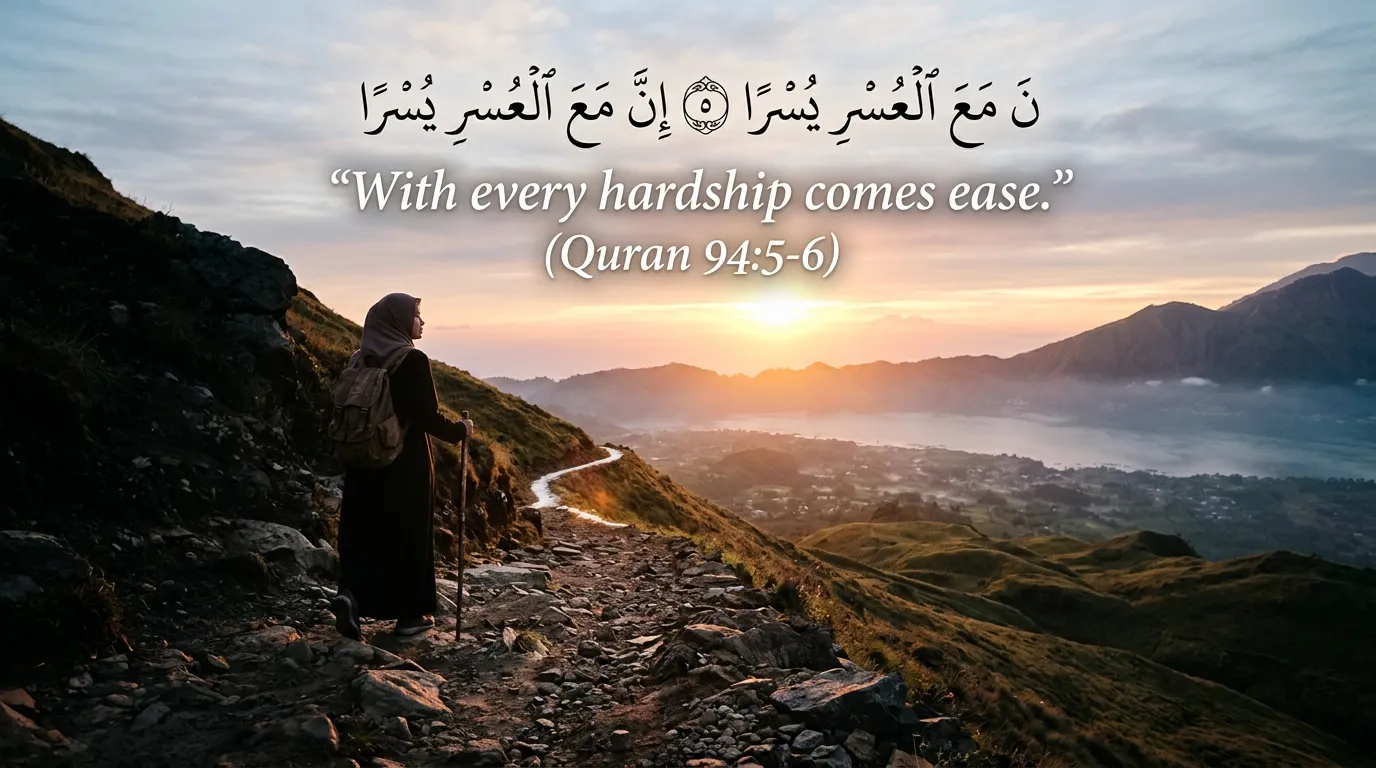
The feet that walk between Safa and Marwa today walk in the footsteps of a woman whose trust in Allah was absolute.
The Day of Arafat: The Pinnacle of Hajj
If Hajj has a soul, it lives on the plain of Arafat on the 9th of Dhul Hijjah.
Pilgrims gather on this vast open plain, under the open sky, and stand from the time after Dhuhr prayer until sunset. They raise their hands. They weep. They whisper. They beg. There are no roofs. No walls. Just earth and sky and the weight of every sin a person has ever carried.
The Prophet ﷺ said: “Hajj is Arafat.” (Abu Dawood)
That one statement tells you everything. This is the moment Hajj has been building toward. This is where Allah descends to the lowest heaven as is befitting His Majesty and tells His angels: “Look at My servants, they have come to Me disheveled and dusty from every deep valley. They hope for My mercy.”
Dr. Ali Shariati, the Iranian scholar, described Arafat as “the greatest revolutionary gathering in the history of mankind where differences of race, class, and nationality dissolve into a single cry of surrender to God.”
No political summit, no global conference, no gathering in history has ever brought together so many diverse human beings for a single shared purpose.
Muzdalifah: A Night Under the Stars
After the sun sets on Arafat, pilgrims move to Muzdalifah. Here, there are no hotels. No beds. No comfort. Pilgrims sleep on the open ground under the stars, just as travelers have done for centuries.
They collect small pebbles in the darkness pebbles they will use the next day to stone the Jamarat, the pillars that represent the devil. It is a quiet, humble night. And somehow, it is one of the most beautiful nights a pilgrim will ever know.
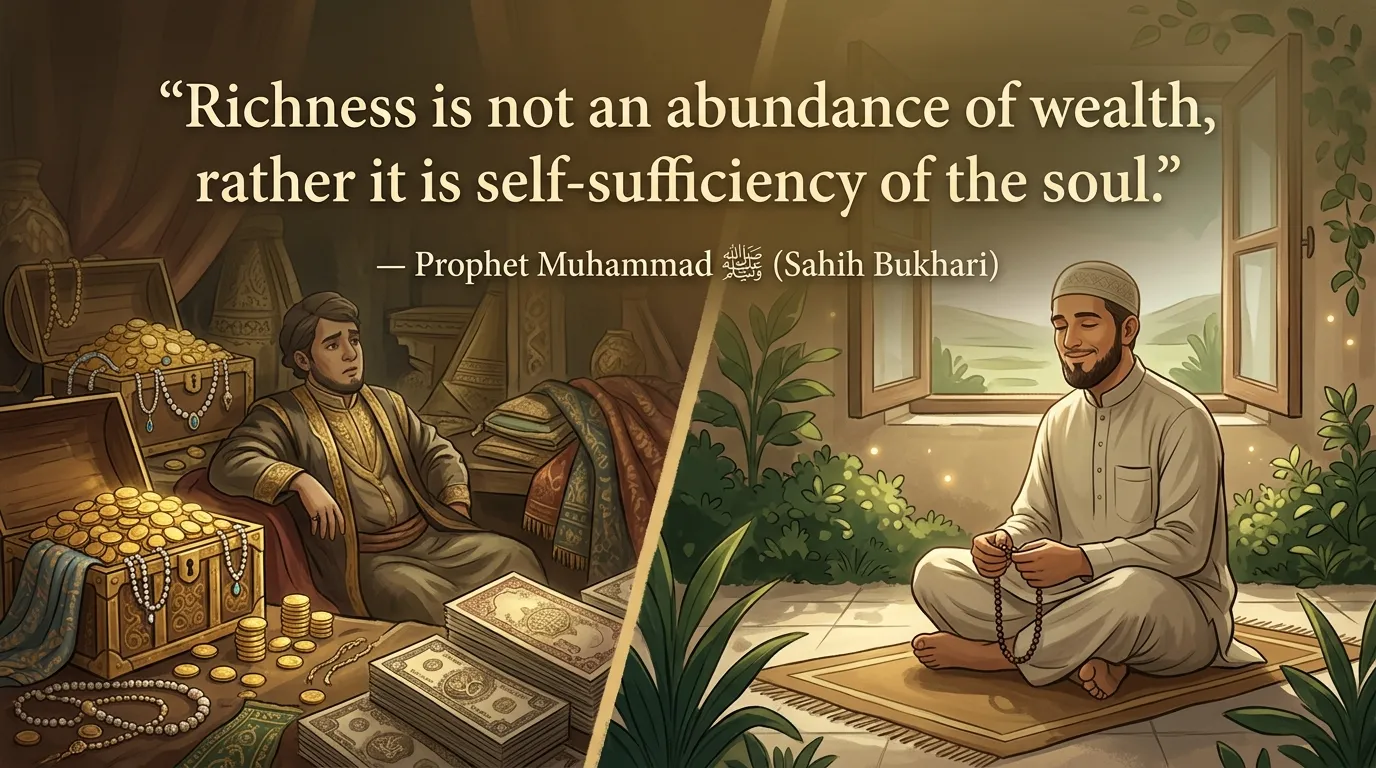
The simplicity of Muzdalifah teaches what no classroom ever could. That a person needs very little to feel completely at peace.
“Richness is not an abundance of wealth, rather it is self-sufficiency of the soul.” Prophet Muhammad ﷺ (Sahih Bukhari)
Rami al-Jamarat: Stoning the Devil
On the 10th of Dhul Hijjah the day of Eid al-Adha pilgrims stone the large pillar called Jamarat al-Aqaba. They throw seven pebbles, saying Allahu Akbar with each throw.
This act commemorates Ibrahim (AS), who threw stones at the devil when Shaytan tried to convince him to disobey Allah’s command. Ibrahim (AS) did not hesitate. He drove the devil away with stones and with conviction.
In a world that constantly whispers temptation into the ears of believers, the stoning of Jamarat is a declaration. I see you. I reject you. I choose Allah.
“The strong believer is better and more beloved to Allah than the weak believer, while there is good in both.” — Prophet Muhammad ﷺ (Sahih Muslim)
The Sacrifice of Eid: Following the Way of Ibrahim
After stoning, pilgrims perform the sacrifice Qurbani slaughtering an animal in the name of Allah, just as Ibrahim (AS) was ready to sacrifice his son before Allah replaced Ismail with a ram.
This is Eid al-Adha. The Eid of sacrifice. The meat is distributed to the poor, the neighbors, and the family. In 2026, millions of kilograms of meat will be distributed across Makkah and beyond — a feast for the hungry, funded by the faith of the pilgrim.
“Their meat will not reach Allah, nor will their blood, but what reaches Him is piety from you.” (Quran 22:37)
The sacrifice is not about the animal. It is about what a person is willing to give up for the love of Allah.
The Return But Never the Same Person
When a pilgrim returns home, they carry a new name: Haji. But more than a name, they carry something invisible and unbreakable.
They have stood where the Prophet ﷺ stood. They have drunk from Zamzam. They have wept at Arafat. They have slept on the earth at Muzdalifah. They have circled the Kaaba and felt the world fall away.
Paulo Coelho, though not a Muslim, once wrote something that every returning pilgrim understands: “The journey itself is the destination.” But for a Haji, the journey changes the destination because the person who comes home is not the same person who left.
The Prophet ﷺ said: “An accepted Hajj has no reward except Paradise.” — (Sahih Bukhari)
Zamzam Water: The Ancient Spring That Never Runs Dry
Before leaving Makkah, every pilgrim fills bottles with Zamzam water. This water which emerged from the earth for Hajar (AS) over four thousand years ago has never stopped flowing.
Scientists have studied it. Nutritionists have analyzed it. The faithful have drunk it for millennia. And still, it flows.
Pilgrims bring it home as a gift the most precious gift from the most sacred place. They will give it to parents, pour a few drops on the lips of the sick, and save the last bottle for years, knowing it connects them to something ancient and holy.
“The water of Zamzam is for whatever it is drunk for.” Prophet Muhammad ﷺ (Ibn Majah)
A Final Word The Journey of a Lifetime
Hajj 2026 will come and go. The flights will land. The white ihrams will be folded away. The pebbles will be thrown. The pilgrims will return to their homes, their jobs, their ordinary lives.
But something will be permanently different.
They will remember standing at Arafat and knowing truly knowing that they are nothing without Allah. They will remember the face of a stranger from a country they had never heard of, standing beside them in Tawaf, both of them crying, both of them saying the same words.
They will remember that for a few days, the world made perfect sense.
The great scholar Ibn al-Qayyim wrote: “The heart will rest and feel relief if it is settled with Allah, and it will worry and feel anxious if it seeks settlement with other than Allah.”
Hajj is the ultimate settling of the heart with Allah.
Labbayk Allahumma Labbayk.
Here I am, O Allah. Here I am.
Our blog section also provides detailed guides and informative articles related to Islamic journeys, personal growth, and inspirational topics for readers worldwide. Whether you are searching for Hajj 2026 preparation tips, Islamic quotes, or lifestyle content, the Life Vibe Quotes blog page offers valuable resources to help you stay informed and inspired throughout your spiritual journey.
May Allah accept the Hajj of every pilgrim in 2026, and may He grant every Muslim who has not yet gone the opportunity, the means, and the strength to answer His call. Ameen.